
Posted December 4, 2024
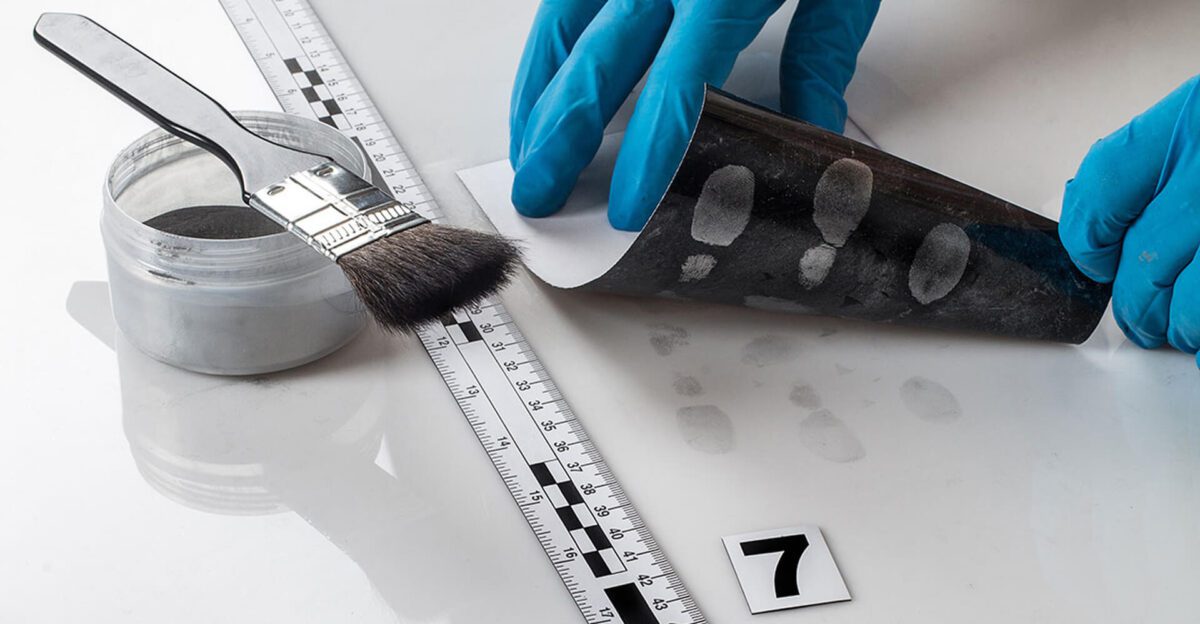
Recently published research from the Center for Statistics and Applications in Forensic Evidence (CSAFE) examines how friction ridge examiners (FREs) perceive the rarity of fingerprint features and how this affects their decisions when analyzing, comparing and evaluating fingerprint impressions.
The study, published in Forensic Science International, was led by Adele Quigley-McBride, assistant professor in psychology at Simon Fraser University; Heidi Eldridge, assistant professor of forensic sciences at George Washington University; and Brett Gardner, assistant professor of psychiatry and neurobehavioral sciences at the University of Virginia.

The article provides insights into how FREs perceive and use distinct features, or minutiae, found in friction ridge skin and impressions when determining whether two impressions originated from the same source or different sources. Despite plenty of anecdotal evidence that minutia rarity played a significant role in fingerprint examiner’s decisions, the consistency of FREs’ opinions regarding minutia rarity has yet to be explored with rigorous, empirical methods.
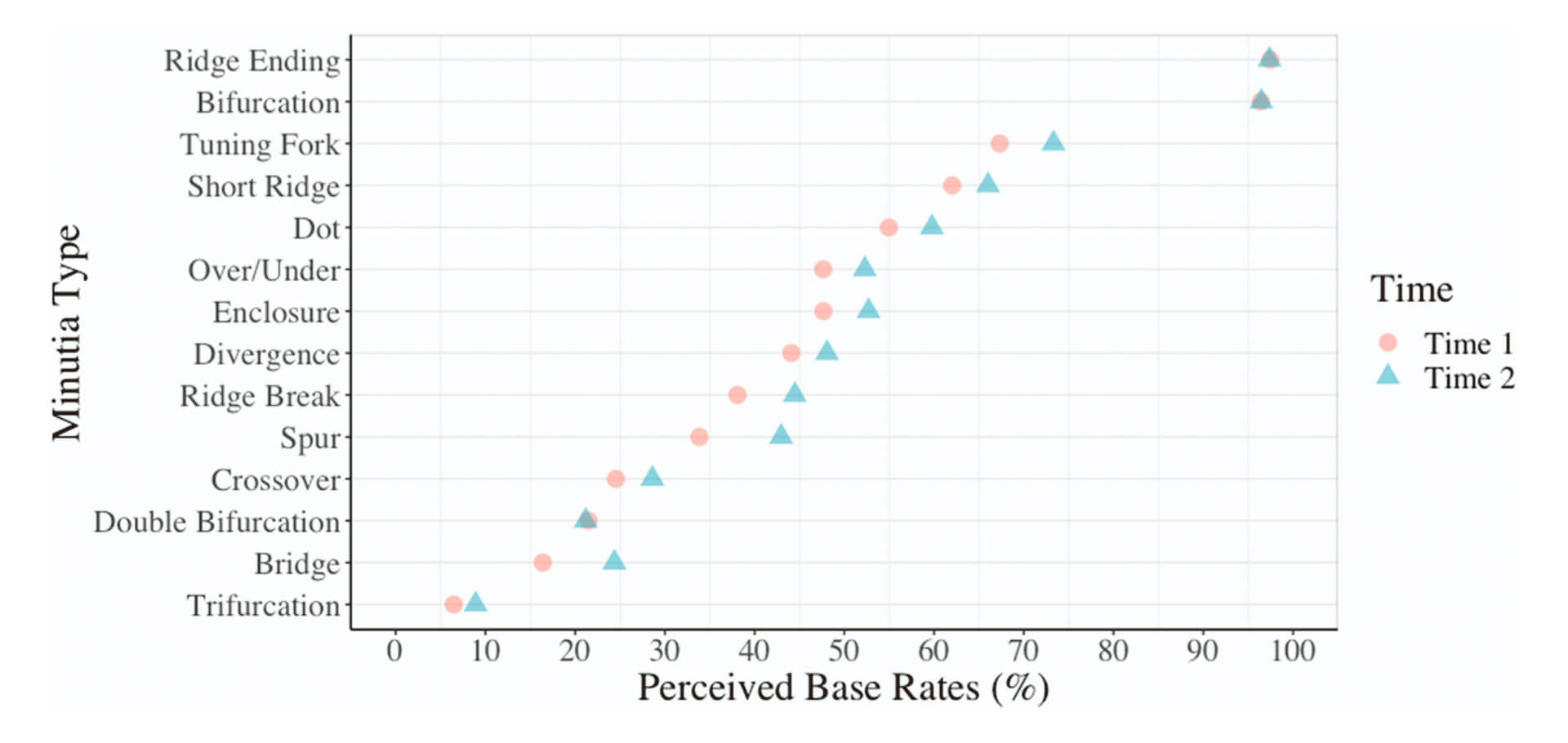
The researchers surveyed FREs at two different time points, gathering responses from 132 participants in the first survey and then surveying 99 of the same participants who returned to complete a second survey. The survey asked experts to consider 14 minutia types that are well-known among FREs at both time points so that the researchers could obtain consensus-based estimates of the frequency with which each minutia tended to occur in fingerprints and how their perceptions of minutia rarity fluctuate between different examiners and over time.
The study found that while there was significant variability in perceptions regarding the frequency of many moderately common minutiae, there was notable consistency when FREs estimated the prevalence of the two most common minutiae and the rarest minutia.
The study also revealed that FREs’ estimates of minutia frequency increased over time and were often higher when FREs reported recent exposure to rare minutiae. These results suggest that reliance on subjective impressions may contribute to inconsistencies between and within examiners in casework.
“Understanding how FREs perceive minutia rarity is crucial for improving the consistency and reliability of fingerprint analysis,” said Quigley-McBride. “Our findings can be used by FREs when deciding how much weight to assign to different minutia types. By relying on these consensus-based values, FREs can be confident that their judgments about minutiae rarity will be more consistent with what other FREs think and what they thought in the past.”
The researchers recommend using consensus-based frequency estimates to help standardize decision-making among fingerprint examiners until more objective data becomes available. They also emphasize the need for standardized procedures to mitigate variability in the assessment process.
“We hope the findings from this study will encourage further dialogue in the forensic science community about the importance of addressing foundational questions about fingerprint analysis, as these have the potential to impact legal outcomes,” said Quigley-McBride.
Materials from this study can be found on the Open Science Framework, including the survey documents, data and R code.
For more information on how to mitigate cognitive bias in forensic decisions, check out this CSAFE Learning on-demand webinar, An Ounce of Prevention: A Simple and Practical Tool for Mitigating Cognitive Bias in Forensic Decisions, presented by Adele Quigley-McBride.
From the Blog
Two Journals for Sharing Your Forensic Science and Statistics Research
If you’re looking for a journal to showcase your latest research findings, consider exploring these …

NIST Report Highlights Key Challenges in Forensic Science and Provides Strategies for Addressing Them
In September, the National Institute of Standards and Technology (NIST) released a new report titled …
Recent Posts
Keynote Speakers Announced for ICFIS 2026
August 10, 2026
The Scientific Committee for the 12th International Conference on Forensic Inference and Statistics is pleased to announce the keynote speakers …
CSAFE Researchers will be Panel Speakers at NAFSB 2026 Conference
August 7, 2026
The annual National Association of Forensic Science Boards (NAFSB) Conference will be Oct. 13-16 at the Milwaukee Crime Lab Bureau …
ICFIS 2026 Moves Online, Abstract Deadline Extended to Aug. 17
July 27, 2026
The 12th International Conference on Forensic Inference and Statistics (ICFIS) will now be an online-only event, allowing participants from around the world …