

January 5, 2018 3:18 pm
Witnesses of a crime often share their version of the events that led up to the offense. But often, evidence left at the scene is what helps investigators understand the story. Through careful collection, testing, analysis and interpretation techniques, investigators attempt to piece together the details of what took place.
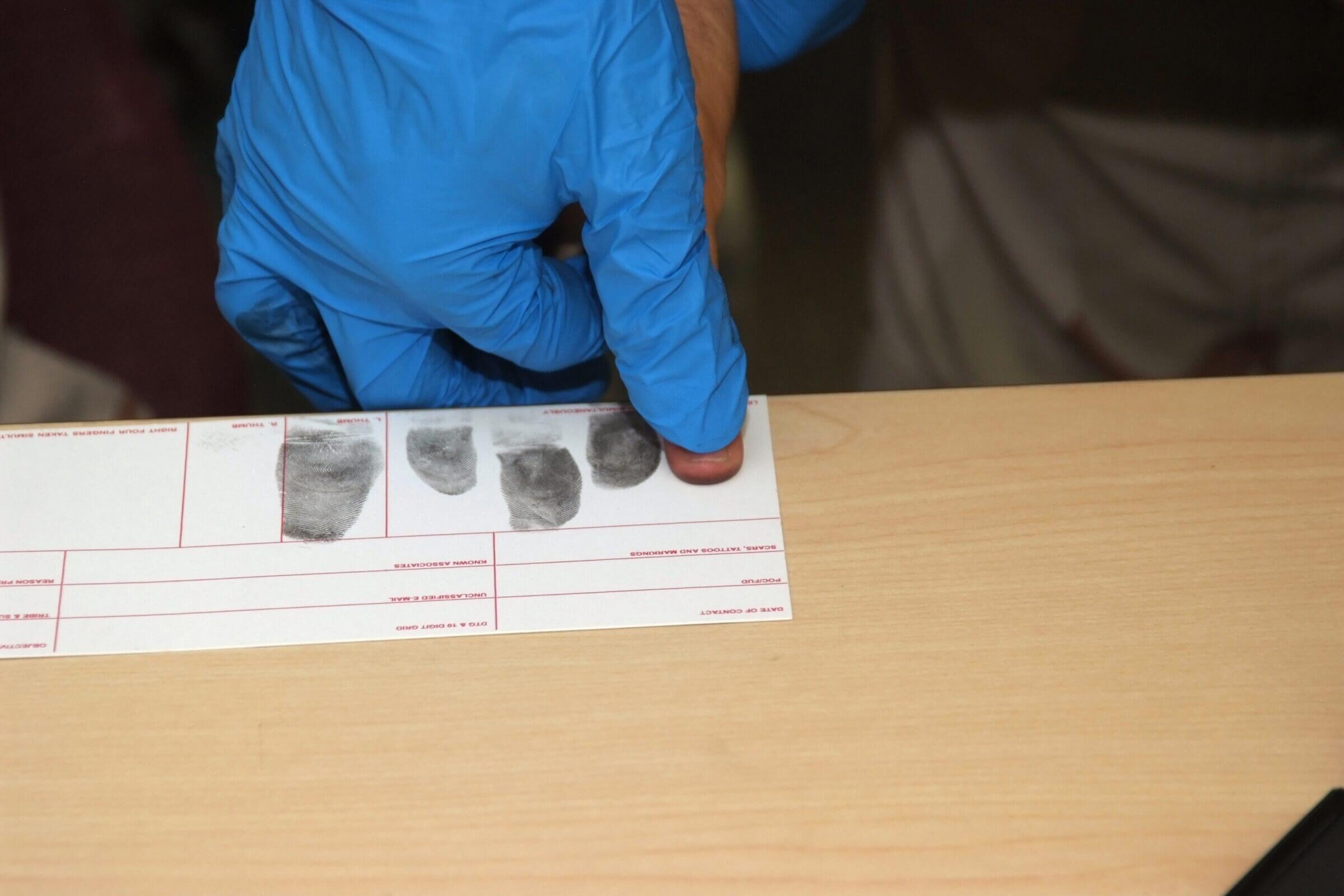
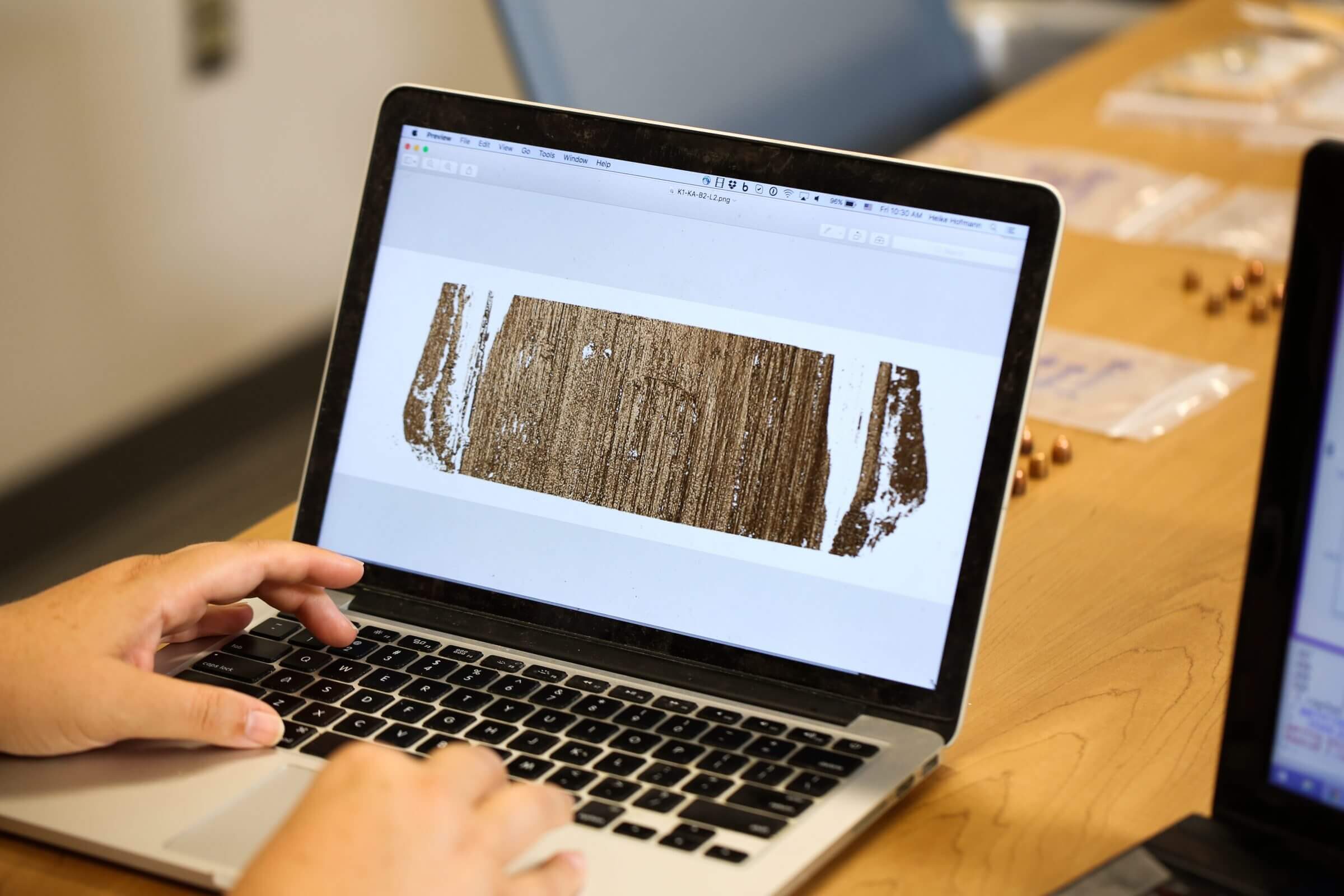
A commonly found type of evidence is pattern evidence. Pattern evidence results from a specific pattern left by physical contact from an object and a surface, known as an impression or imprint. Impressions are three-dimensional markings such as bullet markings, and imprints are two-dimensional, like a fingerprint.
1. What are the potential sources of pattern evidence?
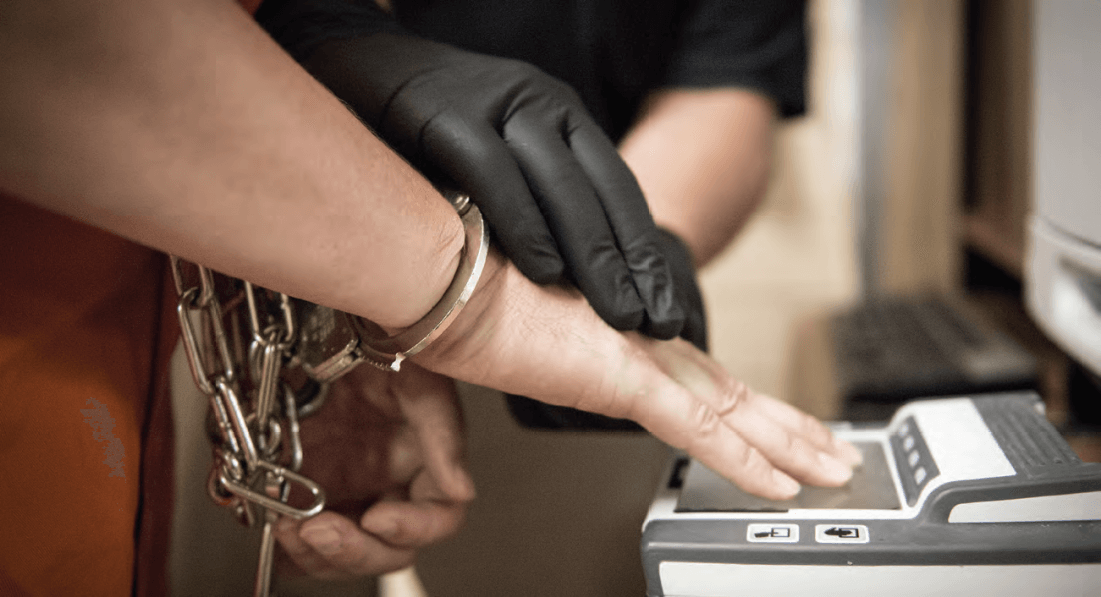
- Fingerprints
- Footwear imprints
- Bullet marks
- Tool marks
- Handwritten documents
- Blood stains
2. What type of information might we want to learn from pattern evidence?
- Shoeprints: Manufacturer, size, style, suspect’s direction and speed of travel
- Bloodstains: Type of weapon, angle of impact, source of blood, location of victim in the scene
3. Why is pattern evidence challenging?
Pattern evidence is unique in that it requires comparison of images. At present, human interpretation forms the basis of pattern evidence analysis. This method leaves examiners open for bias, error and subjectivity that can affect their decisions. Results may vary between examiners, and juries often struggle to understand the methods an examiner used to arrive at a conclusion.
4. Why do we need to study pattern evidence?
Due to the current subjectivity inherent in the analysis of pattern evidence, organizations like CSAFE are working to develop standard, reproducible ways of analyzing evidence, and to propose effective ways of communicating results. Through additional research, new tools can be built to take more precise measurements even under unfavorable circumstances, we can better understand the effects of time and environmental factors on evidence, as well as determine what characteristics make impression evidence unique when compared to all other types of evidence.
Learn more about CSAFE research in pattern evidence.
Recent Posts
The Weight of Evidence Question: Resources to Help Guide the Discussion
July 8, 2019
When it comes to a piece of evidence, a jury wants to know just how likely it is that a …
Toolmark vs. Firearm Analysis: Do the Same Methods Apply?
May 20, 2019
Just how closely related are methods for forensic toolmark and firearm examination? Though seemingly quite similar, analysis techniques for one …
August 9, 2018
Just because a technique has been used for over a 100 years, does that make it scientifically sound or reliable? …